Immunization: Your Shield Against Vaccine-Preventable Diseases
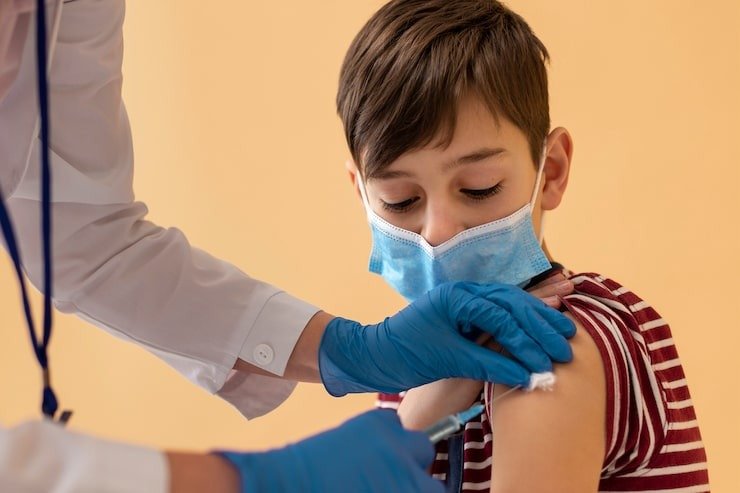
Vaccines have been one of the most significant public health achievements in modern medicine. They not only protect individuals but also communities by preventing the spread of infectious diseases. Diseases such as influenza (flu), pneumonia, otitis media, and typhoid are preventable through timely immunization, and understanding their importance can save lives.
Understanding Vaccine-Preventable Diseases
1. Influenza (Flu):
The flu is a contagious respiratory infection caused by influenza viruses. Seasonal flu can lead to serious complications, especially in children, the elderly, and people with chronic illnesses. Annual flu vaccination helps the immune system recognize and fight the virus, reducing the risk of severe illness and hospitalization.
2. Pneumonia:
Pneumonia is an infection that inflames the air sacs in the lungs and can be caused by bacteria, viruses, or fungi. Streptococcus pneumoniae is a common bacterial cause. Vaccines such as the pneumococcal conjugate vaccine (PCV) protect against the most common strains of bacteria causing pneumonia, significantly reducing hospitalizations and complications.
3. Otitis Media (Middle Ear Infection):
While otitis media can be caused by multiple factors, bacterial infections like Streptococcus pneumoniae and Haemophilus influenzae are major contributors. Immunization with pneumococcal vaccines has been shown to reduce the incidence of ear infections in children, improving overall ear health and preventing hearing complications.
4. Typhoid:
Typhoid fever is a serious bacterial infection caused by Salmonella Typhi. Poor sanitation and contaminated food or water are common causes. Vaccination, alongside safe hygiene practices, is a reliable method to prevent typhoid, especially for travelers and populations in high-risk areas.
Why Immunization Matters
Protects Individuals: Vaccines prepare the immune system to fight infections, reducing the severity or preventing the disease entirely.
Protects Communities: High vaccination coverage creates herd immunity, making it harder for diseases to spread.
Reduces Complications: Timely vaccines prevent serious complications such as pneumonia, organ damage, or chronic illness.
Cost-Effective: Preventing disease through vaccines is far cheaper and less burdensome than treating infections after they occur.
Complementary Prevention Measures
While vaccines are powerful tools, combining them with healthy habits enhances protection:
Hand Hygiene: Regular handwashing can prevent the spread of many infectious agents.
Balanced Diet and Hydration: Strong immunity is supported by proper nutrition.
Safe Food and Water: Especially important for preventing typhoid.
Avoiding Crowded Spaces During Outbreaks: Minimizes exposure to respiratory infections like flu.
Conclusion
Immunization is more than just a personal choice—it is a societal responsibility. Vaccines against flu, pneumonia, otitis media, and typhoid not only safeguard your health but also protect those around you. Staying up-to-date with recommended vaccines and adopting healthy lifestyle practices ensures a life free from preventable diseases.
Take action today: Talk to your healthcare provider about vaccines appropriate for your age, health condition, and lifestyle. Prevention is always better than cure.