
Is Your Child Really Eating Right, or Just Getting the Right Nutrients?
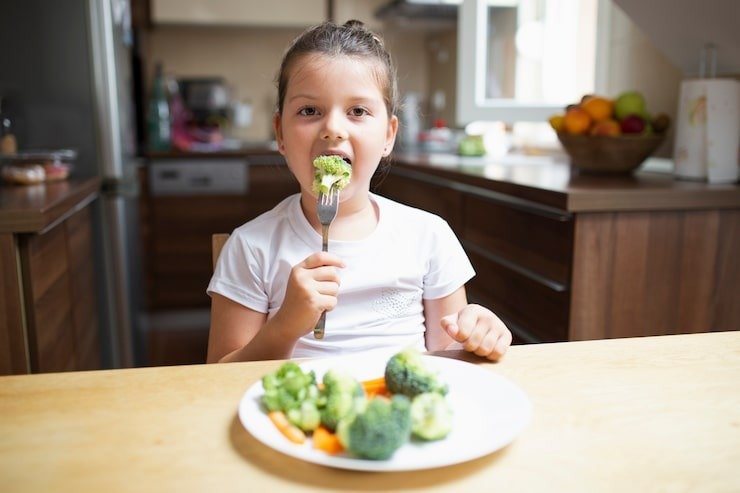
As parents, we often focus on making sure our children get all the essential nutrients—proteins, vitamins, minerals, and fats—without realizing that nutrition is more than just ticking boxes. While it’s important for kids to receive the right nutrients, how they eat, what they eat, and their eating habits matter just as much.
Understanding the Difference
Getting nutrients: This usually means offering foods or supplements that contain proteins, vitamins, and minerals. For example, giving milk for calcium or a multivitamin for overall health.
Eating right: This goes beyond nutrients. It includes a balanced diet, proper portion sizes, variety, mindful eating, and fostering a positive relationship with food.
A child can receive all the necessary nutrients but still develop unhealthy eating habits, picky eating, or even nutritional imbalances if the diet isn’t balanced or diverse.
Why “Eating Right” Matters
Supports Healthy Growth and Development
Children need more than just nutrients—they need them in the right proportions and from diverse sources to grow properly, develop their immune system, and support brain function.Builds Lifelong Healthy Habits
Eating patterns established in childhood often continue into adulthood. Encouraging a love for vegetables, fruits, whole grains, and balanced meals helps children develop healthy habits for life.Prevents Over- or Underfeeding
Relying only on nutrients may lead to overfeeding processed or fortified foods, or underfeeding essential natural foods, creating a risk of obesity, deficiencies, or digestive issues.Enhances Mental and Emotional Well-being
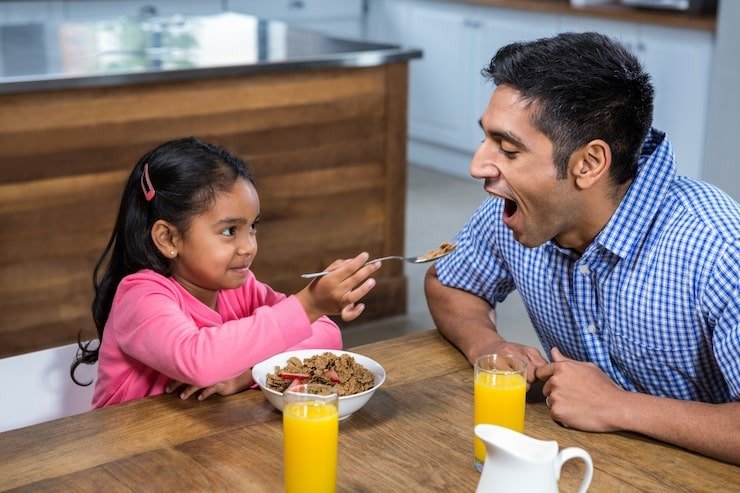
Mindful eating, meal routines, and involving children in meal choices can improve their relationship with food, reduce mealtime battles, and support emotional health.
Practical Tips for Ensuring Your Child Eats Right
Offer Variety: Include fruits, vegetables, whole grains, lean proteins, and healthy fats. Rotate foods to expose children to different tastes and textures.
Balance, Not Perfection: Focus on overall meal balance rather than obsessing over each nutrient individually.
Encourage Healthy Snacking: Replace sugary or ultra-processed snacks with nuts, fruits, yogurt, or homemade options.
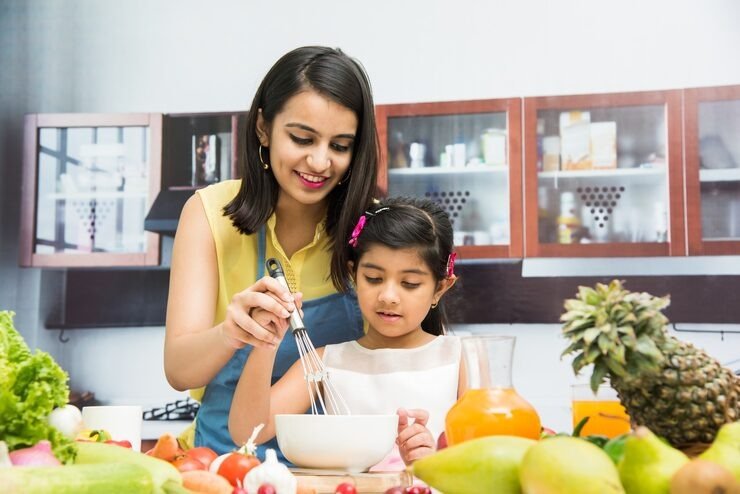
Make Meals Interactive: Involve children in cooking or selecting foods—they are more likely to eat what they helped prepare.
Model Good Habits: Children mimic adult behaviors. Eat healthily yourself and avoid labeling foods as “good” or “bad.”